Study in Sri Lanka for Pakistani Students: Fees, Visa and Universities
Study in Sri Lanka is a good option for Pakistani students who want an international degree close to home. Sri Lanka is a small island country in South Asia, close to Pakistan in culture, food and climate, and it is becoming a choice for some Pakistani students who want to study abroad without going far from home.
Its universities offer programmes in medicine, engineering, business, information technology and the social sciences, and the cost of living is generally lower than in many Western countries. For students who want an international degree at a manageable cost, in a country where the weather and daily life feel familiar, study in Sri Lanka is worth a careful look. This guide explains the universities, the admission routes, the student visa process, the costs in general terms, the scholarships, and the practical tips that Pakistani students should know before they apply.
One point must be made clearly at the start. Admission dates, deadlines, fee amounts and visa rules are set by the universities and by the Sri Lankan authorities, and they can change. No date, fee, deadline or figure is stated in this guide.
The exact schedule, the fee for each programme and the current visa requirement must be read from the official website of the university you choose and from the official website of the Sri Lankan High Commission or the Sri Lankan immigration authority.
Therefore, any date or fee you see on social media or a random website should be treated as a rumour until it is confirmed by an official source.
Quick Facts
| Item | Detail |
|---|---|
| Who this guide is for | Pakistani students who want to study in Sri Lanka for an undergraduate degree, especially medicine, engineering, business, IT and the social sciences |
| Main universities | Public universities, including the University of Colombo, the University of Peradeniya and the University of Moratuwa, and private institutions, mainly in and around Colombo |
| Main programmes | Medicine (MBBS), engineering, business, information technology, and social sciences |
| How to apply | Usually by direct application to the university through its own website or by post, and then a student visa application |
| Fees and deadlines | Set by each university and announced on its official website; no fee or date figure is stated in this guide |
| Scholarships | Some universities offer partial scholarships or fee waivers for international students, and government schemes may be announced from time to time |
| Official sources | The official websites of the universities, the University Grants Commission, the Sri Lankan High Commission in Pakistan, and the Sri Lankan immigration authority |
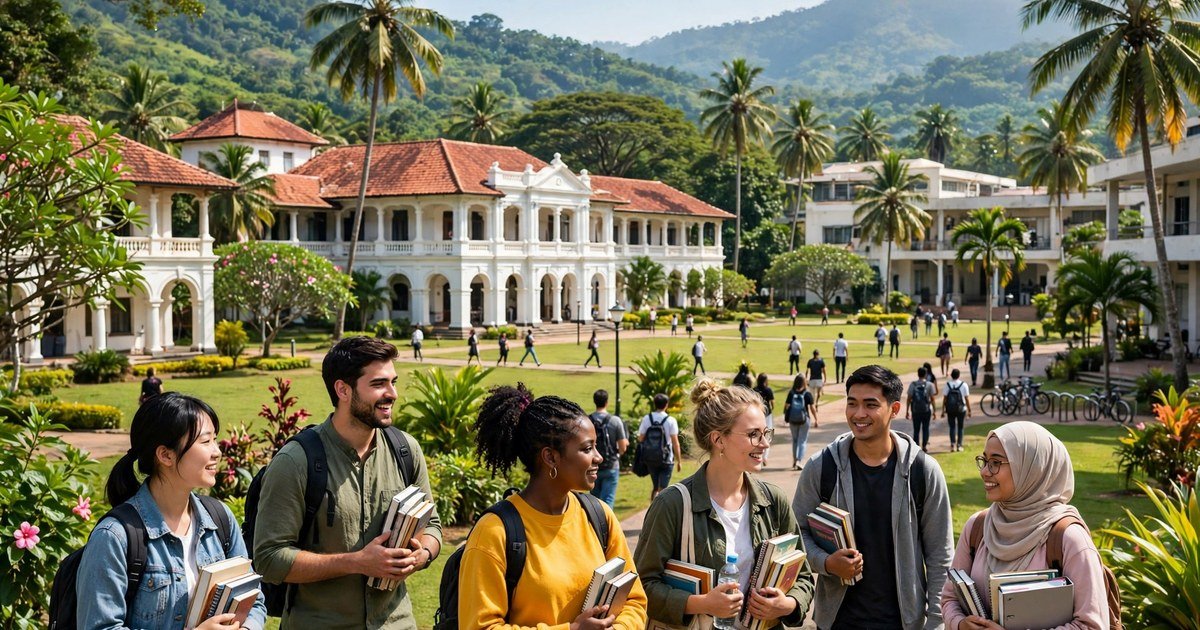
Why Pakistani Students Choose to Study in Sri Lanka
There are several reasons why a Pakistani student might think about Sri Lanka for a degree. The first reason many Pakistani students choose to study in Sri Lanka is distance. It is far closer to Pakistan than most Western countries, and the flight is shorter and usually cheaper. It is also easier for family members to visit, and easier for the student to return home during holidays.
The second reason is familiarity. The climate is warm, the food is similar, and daily life has much in common with life in Pakistan. Students who worry about a very different culture or a very cold climate often find that to study in Sri Lanka is easier than moving to a faraway country.
The third reason is cost. Study in Sri Lanka is generally cheaper than study in the United Kingdom, the United States, Canada or Australia, both for tuition and for living costs. For a family that cannot afford a Western degree, Sri Lanka can offer an international qualification at a lower cost. To compare another nearby destination, see our guide to study in Thailand for Pakistani students.
Universities in Sri Lanka for Pakistani Students
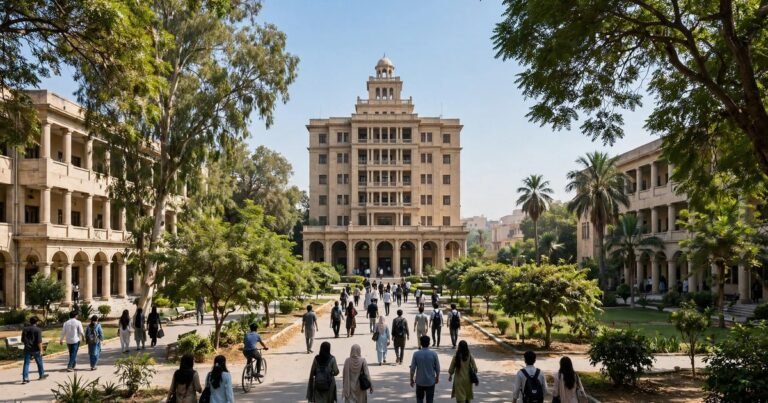
Sri Lanka has public universities and private institutions. The public universities include some of the oldest and best-known institutions in the country, and they are known for their academic standards. The University Grants Commission is the apex body of the university system in Sri Lanka. Well-known public universities include the University of Colombo, the University of Peradeniya and the University of Moratuwa, and there are other public universities in the country as well.
Admission to public universities for students who want to study in Sri Lanka is normally through a direct application to the university, and the number of seats for foreign students is limited. Competition is strong, especially for medicine and engineering, and the requirements are set by each university. Check the university’s official website for the subjects it offers, the number of seats, the entry requirements, the fee, and the closing date.
Private institutions are mainly in and around Colombo, and they offer programmes in business, information technology and the social sciences, often in partnership with foreign universities. In some cases the degree is awarded by the foreign partner, and in others by the Sri Lankan institution itself. Ask for the full fee, and ask whether the degree will be recognised in Pakistan, before you apply. To compare another nearby destination, see our guide to study in Malaysia for Pakistani students.
When you choose a university, look at the programme first, not only the name of the university. Read the course outline, the duration of the programme, the language of study, and the recognition of the degree in Pakistan. For example, a medical degree must be recognised by the Pakistan Medical and Dental Council, and an engineering degree must be recognised by the Pakistan Engineering Council.
If the degree is not recognised in Pakistan, it may not help you find work or continue your studies at home. Check recognition before you pay any fee. In short, the best way to study in Sri Lanka is to choose a recognised programme at a university whose degree Pakistan accepts.
How to Study in Sri Lanka: Admission Routes
The usual route for a Pakistani student is to apply directly to the university. There is no single central application system for all Sri Lankan universities, so each university has its own process and its own dates. The steps below are the usual ones, but read the official instructions of the university you choose, because the details can differ.
- Choose your programme. Check the subjects offered, the duration, the language of study and the entry requirements.
- Check your documents. Most universities ask for attested copies of your academic certificates and transcripts, your passport, and proof of English language ability, if the programme requires it.
- Apply directly to the university. Applications are usually made through the university’s own website, or by post, according to the instructions on its official website.
- Wait for the offer letter. If you are accepted, the university will send an offer letter, sometimes conditional on further documents or on a fee payment.
- Pay the fee or the deposit. Read the offer letter carefully, and pay only through the official channel given by the university.
- Apply for your student visa and travel. The visa process starts after the offer letter, and it is explained in the next section.
For medicine, check whether the degree is recognised by the Pakistan Medical and Dental Council before you apply. Admission routes for students who want to study in Sri Lanka are usually direct, so apply through the university itself and never pay an agent who promises a seat.
Student Visa to Study in Sri Lanka
Pakistani students who study in Sri Lanka usually apply for a student visa through the Sri Lankan High Commission in Pakistan or through the immigration authority. The exact requirement must be read from the official website, because visa rules can change.
The student visa process usually starts after you receive an offer letter. You may be asked for the offer letter, your passport, financial proof, and a medical report. Processing times vary, so apply early. Apply early when you study in Sri Lanka, because processing times vary and delays are common near the start of the academic year. Always use the official channel, and never pay anyone who promises a visa for money.
Living and Study Costs for Study in Sri Lanka
The cost of study in Sri Lanka varies with the programme, the university and the city. Tuition fees are set by each university, and they are usually higher for medicine than for other programmes, and higher at private institutions than at public universities. The cost of living is generally lower than in many Western countries, but it still needs a clear budget. Housing, food, transport and books all cost money, and living in Colombo is usually more expensive than living in other cities.
Make a full budget before you apply: tuition fees, living costs, travel to and from Pakistan, visa costs, and health insurance. Students who study in Sri Lanka should keep some emergency funds for travel, health and unexpected costs. Ask the university for a full cost breakdown before you accept an offer, and do not rely on a fee figure from social media.
Scholarships for Students Who Study in Sri Lanka
Some universities in Sri Lanka offer partial scholarships or fee waivers for international students, usually on merit or on need. Ask the admissions office of the university you choose what is available, and what the conditions are. The Sri Lankan government and the Government of Pakistan may also announce scholarship schemes from time to time, and these should be checked from official sources.
Scholarships for students who study in Sri Lanka are limited, so treat them as a bonus, not as the plan. Apply early, because scholarship deadlines are usually earlier than the admission deadline, and keep your documents ready. Budget as if you will receive no scholarship, and treat any award as a help, not as a guarantee.
Practical Tips Before You Study in Sri Lanka
Check recognition first. Before you pay any fee, confirm that the degree will be recognised in Pakistan by the body that matters for your field, such as the Higher Education Commission, the Pakistan Medical and Dental Council or the Pakistan Engineering Council. A degree that is not recognised may not help you at home.
Read only official sources for dates, fees and visa rules, and keep your documents attested and ready. Learn about Sri Lankan culture and laws before you travel, keep your family informed about your plans, and keep the contact details of the Pakistani High Commission in Sri Lanka and your university’s international office with you. Take health insurance, and keep emergency funds for unexpected costs.
Do Pakistani students need a visa to study in Sri Lanka?
Yes. Pakistani students need a student visa or residence visa, and the application is made through the Sri Lankan High Commission in Pakistan or through the immigration authority. The exact requirement must be read from the official website.
Are scholarships available for students who study in Sri Lanka?
Some universities offer partial scholarships or fee waivers for international students, usually on merit or on need. Government schemes may also be announced from time to time. Ask the admissions office, and check official sources for the latest information.
How much does it cost to study in Sri Lanka?
The cost depends on the programme, the university and the city. Tuition fees are set by each university, and living costs are higher in Colombo than in other cities. No fee figure is stated in this guide; ask the university for a full cost breakdown before you accept an offer.
Is a Sri Lankan degree recognised in Pakistan?
It depends on the programme and the university. A medical degree must be recognised by the Pakistan Medical and Dental Council, and an engineering degree must be recognised by the Pakistan Engineering Council. Check recognition before you apply.
Can I work while studying in Sri Lanka?
It depends on your visa conditions. Some student visas allow limited part-time work, and others do not. Check the conditions with the immigration authority, and do not plan your budget on the assumption that you will find work.
Closing Note
Study in Sri Lanka can be a good choice for a Pakistani student who wants an international degree at a manageable cost, close to home, in a familiar culture. The key is to choose a recognised programme, read the official sources, and apply early.
Start with the university’s official website and the Sri Lankan High Commission’s official guidance. Apply only through official channels, and never pay anyone who promises admission or a visa for money. In the end, study in Sri Lanka rewards students who plan early and check every detail from an official source.