Study in Malaysia for Pakistani Students: Admission, Visa and Scholarships
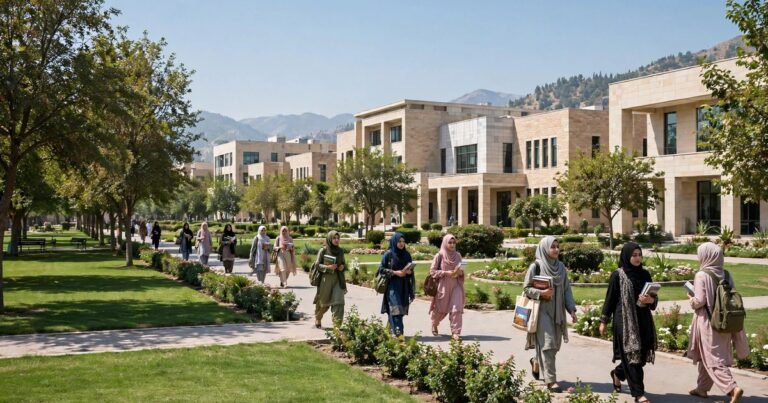
Study in Malaysia has become one of the most popular study destinations for Pakistani students, and the reasons are easy to see. It offers good universities at a lower cost than Western countries, a Muslim-majority culture with halal food everywhere, English as the main language of teaching, and a warm welcome for international students. Many Pakistani students choose Malaysia for undergraduate and postgraduate study, and some use it as a stepping stone to a degree from a British or Australian university at a Malaysian campus. This guide explains how admission works, how the student visa process works, which scholarships to look at, and how to prepare for life in Malaysia, in general terms and without invented figures.
One point must be made clearly at the start. Tuition fees, living costs, deadlines, language requirements and visa rules change from year to year and differ between universities, and no fee, cost, deadline or quota figure is stated in this guide. The exact figures and rules are published by the university you apply to, the Malaysian High Commission and the scholarship body, and those official sources are the only ones you should trust. Any fee or deadline you see on social media or a random website should be treated as a rumour until the official source confirms it.
Quick Facts
| Item | Detail |
|---|---|
| Popular levels | Undergraduate, masters and PhD programmes, plus diploma and foundation courses |
| Main language of study | English, the main medium of instruction at most universities |
| Main scholarships | Malaysian government scholarships and university merit awards for international students |
| Visa | A student pass, applied for through the university and the Malaysian immigration authorities |
| Official sources | The Malaysian High Commission in Pakistan, the university you apply to and Education Malaysia |
| Fees, deadlines and quotas | Set by each university and each scholarship; no fee, deadline or quota figure is stated in this guide |

Why Pakistani Students Choose to Study in Malaysia
The biggest advantage of study in Malaysia for Pakistani students is comfort. It is a Muslim-majority country, so halal food is available everywhere, mosques are easy to find, and the culture feels familiar. At the same time, the language of teaching at most universities is English, so there is no need to learn a new language before you start your degree. The large Pakistani community in Malaysia also helps new students settle in quickly.
Cost is the second advantage. Tuition fees and living costs in for study in Malaysia are generally lower than in the United Kingdom, the United States, Australia or Canada, and the lower cost makes it possible for many families to fund a full degree. Malaysia also hosts branch campuses of well-known British and Australian universities, so a student can earn a foreign degree while living in Malaysia at a lower cost than studying in that country directly.
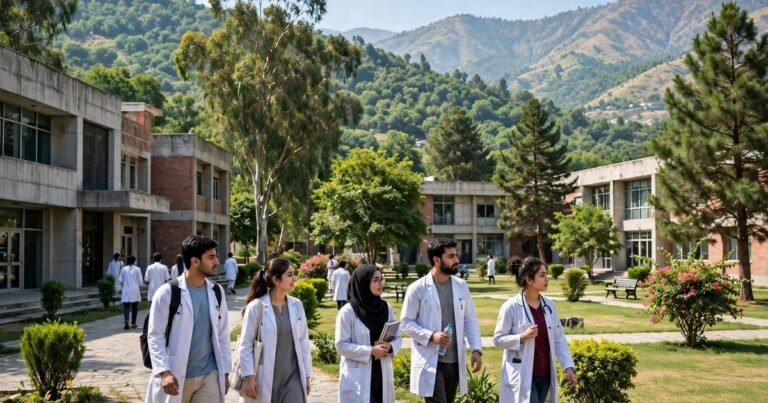
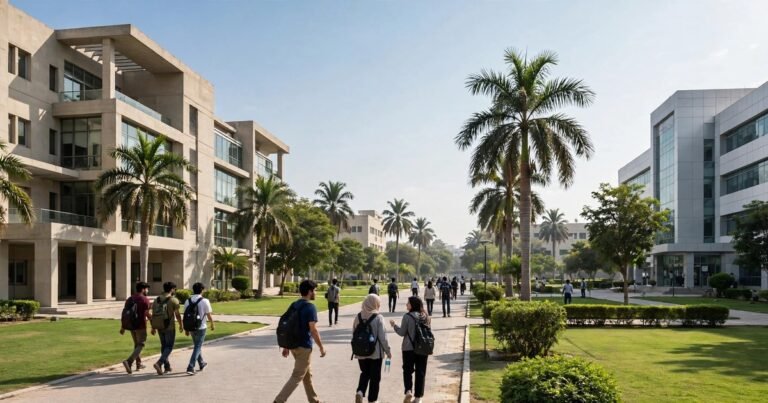
Universities for study in Malaysia are well regarded in the region, and several of them appear in international rankings. The country’s public universities, such as the University of Malaya, Universiti Putra Malaysia and Universiti Teknologi Malaysia, are strong in engineering, science, medicine and business, while the private universities offer a wide range of programmes with modern facilities. Many Pakistani students also choose Malaysia because the student visa process is relatively straightforward when the application is made properly through the university.
Admission: How to Apply to Study in Malaysia
Admission for study in Malaysia usually starts with choosing the programme and the university. Public universities in Malaysia are generally more competitive and often require a strong academic record, while private universities are more flexible on entry requirements but charge higher fees. The university’s own website lists the programmes on offer, the entry requirements for international students, the documents required and the application procedure, and it is the first place to check.
For undergraduate study in Malaysia, the usual requirement is an intermediate qualification with the subjects needed for the chosen programme, and the university will state the grades it expects. For masters study, a recognised bachelor’s degree in a related field is required, and for PhD study, a master’s degree and a research proposal are usually needed. Some programmes, such as medicine and dentistry, have their own entry tests or interviews, and the details are given by the university.
English is the medium of instruction for study in Malaysia, so universities usually ask for proof of English ability from international students. Our IELTS preparation guide explains how to prepare for the most widely accepted English test. Some universities run their own English test, and some accept students who have already studied in English, so check the university’s own rule before you book a test.
Most universities for study in Malaysia accept applications online, and many have intakes more than once a year. Apply well before the start of the semester, because the visa process after admission takes time, and a late application can mean missing the start of classes. Always apply directly to the university or through its officially listed representatives, and never pay an agent who promises guaranteed admission.

Scholarships for Study in Malaysia
The Malaysian government offers scholarships for study in Malaysia to international students through programmes announced by the Ministry of Higher Education, and the details, including eligibility and the application procedure, are published in the official announcement each year. These scholarships are competitive and are usually awarded for postgraduate study, so a strong academic record matters.
Many universities for study in Malaysia also offer their own merit scholarships and tuition fee reductions for international students. These are usually based on academic results, and some are offered automatically to students who meet the grade requirement, while others need a separate application. Ask the international office of the university you apply to about every award that is open to you, and check whether the award continues for the full programme or only for the first year.
Pakistani students can also look at scholarships offered by the Higher Education Commission of Pakistan for study in Malaysia, and at the scholarship programmes of the Organisation of Islamic Cooperation, which sometimes support study in member countries including Malaysia. Our HEC overseas scholarship guide explains how the HEC programmes work. Private foundations and community trusts in Pakistan also support students going abroad in some cases, so ask your university and your community organisations.
The Student Visa Process for Study in Malaysia
Once you have an offer of admission for study in Malaysia, the university applies for a student pass on your behalf through the Malaysian immigration system. The university will tell you which documents it needs from you, and this usually includes your passport, your academic records, photographs and a medical report. Follow the university’s instructions exactly, because an incomplete document set is the most common cause of delay.
After the student pass is approved, you apply for a single-entry visa at the Malaysian High Commission in Pakistan, using the approval letter issued by the immigration authorities. The High Commission’s official website lists the documents required, and you should follow that list exactly. The usual documents include your passport, the approval letter, the admission letter, photographs and the visa application form.
Apply for the visa as soon as you have the approval letter, and do not book a non-refundable flight before the visa is issued. Visa processing takes time, and the official guidance on timing is the only reliable source. Never pay an agent who promises a guaranteed visa, because no agent can guarantee a visa decision.
Living in Malaysia: What to Expect When You Study in Malaysia
Daily life in Malaysia is comfortable for a Pakistani student. Halal food is available everywhere, from street stalls to shopping malls, and the large Muslim population means that mosques, Friday prayers and Ramadan are a normal part of life. The climate is hot and humid all year, with frequent rain, so pack light clothes and be ready for tropical weather.
The cost of living is lower than in Western countries, but it still needs careful budgeting. Accommodation is usually arranged through the university, which can offer hostel places or help with private housing near the campus. Public transport in Kuala Lumpur is good, with trains and buses covering most of the city, while in smaller cities students often use ride-hailing services or shared transport.
Part-time work is allowed for international students in Malaysia within the limits set by the immigration authorities, and permission for part-time work is applied for after arrival. The exact rules on hours and on the types of work allowed are set by the immigration authorities, so check the current rules after you arrive and follow them carefully. Part-time work can help with living costs, but it should never come before your studies.

Common Mistakes to Avoid When You Study in Malaysia
The most common mistake is applying through an unregistered agent who promises guaranteed admission or a guaranteed visa for a fee. Always apply directly to the university or through its officially listed representatives. The second mistake is choosing a university without checking whether it is recognised by the Malaysian government and by the Higher Education Commission of Pakistan, because a degree from an unrecognised institution can cause problems later. The third mistake is applying late and then missing the start of classes because the visa was not ready. The fourth mistake is not budgeting for the full cost of the degree, including living costs, health insurance and travel, and running out of funds midway.
Do I need IELTS to study in Malaysia?
Most Malaysian universities ask international students for proof of English ability, and IELTS is the most widely accepted test. Some universities run their own English test, and some accept students who have already studied in English. Check the English requirement of the university you apply to before you book a test, because the rule differs from one university to another.
Can I work part time while studying in Malaysia?
Yes, international students in Malaysia are allowed to work part time within the limits set by the immigration authorities, and permission is applied for after arrival. The exact rules on hours and on the types of work allowed are set by the immigration authorities, so check the current rules after you arrive and follow them carefully.
Is a Malaysian degree accepted in Pakistan?
A degree from a recognised Malaysian university is generally accepted, but you should confirm two things before you apply: that the university is recognised by the Malaysian government, and that the degree is recognised by the Higher Education Commission of Pakistan. For professional degrees such as medicine, engineering and law, also check the recognition rules of the relevant professional council in Pakistan.
What should I do first if I want to study in Malaysia?
Start by choosing your field and level of study, then shortlist the universities that offer it and check their entry requirements and fees on their own websites. Prepare your academic documents and your English test, and apply directly to the universities you have chosen. Our study in the UK guide and our other study-abroad guides can help you compare Malaysia with other destinations before you decide.
Closing Note
Malaysia offers Pakistani students a rare combination: good universities, English teaching, a familiar culture, halal food everywhere and a cost that many families can manage. It is a realistic destination for a student with a solid academic record and careful planning. Start early, apply directly to recognised universities, check every scholarship you are eligible for, and follow the official visa process step by step. With honest effort and good preparation, Malaysia can be the start of a degree and a career you can be proud of.
Academic honesty note: apply only through the university and the High Commission, give true information in every form, and never pay anyone who promises admission, a scholarship or a visa for money. Your own record and your own effort are what earn you a place.