AIOU 202 Solved Assignment Autumn 2026 – Pakistan Studies (Matric)
AIOU 202 Solved Assignment Autumn 2026 – Pakistan Studies (Matric)
If you are a Matric student at AIOU, the aiou 202 solved assignment autumn 2026 is a key part of your term. Course 202 is Pakistan Studies. It is a 6 credit hour course for the Matric program. It asks about the history, geography, culture and political growth of Pakistan. This guide gives you a solved sample for Autumn 2026 and explains what each typical question is really asking.
Use this page as a study sample for learning and reference. It is not a paper to copy. You can find more solved work on our AIOU solved assignments hub. Read the sample, understand the ideas, and write your own answers in your own words. Copied assignments can fail or lead to strict action by AIOU. Always check the questions, the assignment count and the marks on your own official question paper first.
Assignment Details at a Glance
| Course Code | 202 |
| Subject | Pakistan Studies |
| Program | Matric (SSC, General Group) |
| Semester | Autumn 2026 |
| Credit Hours | 6 |
| Assignments | 4 assignments |
| Submission | To your tutor, as per the rules for Matric students. Confirm the route on your official paper. |
| Deadlines | As per the published schedule. Confirm the dates on your own question paper. |
Published Schedule Dates for Autumn 2026
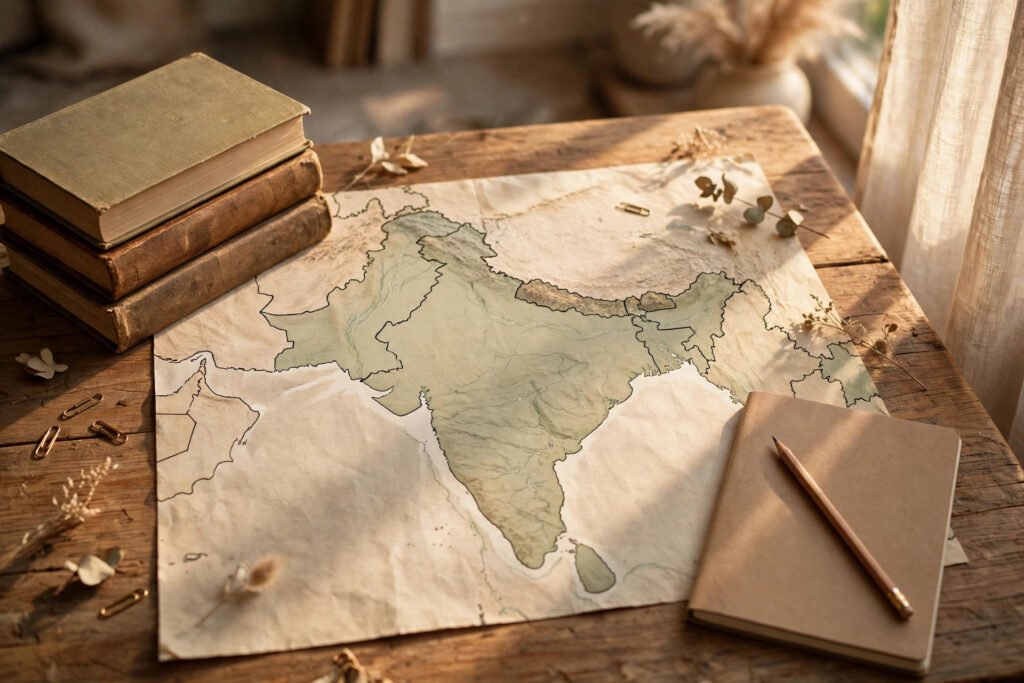 The published schedule for full credit work in Autumn 2026 lists four dates: 15 December 2026, 8 January 2027, 30 January 2027 and 20 February 2027. These are the dates in the term schedule for the four assignment slots. Use them to plan your work, but trust your own question paper and your tutor for the final dates for course 202. Dates can differ by course and by program, so never rely on a post alone.
You can read the full term plan in our AIOU assignment submission schedule guide for Autumn 2026, which explains the full credit and half credit dates in plain words.
Assignment No. 1 – Questions and Solved Sample
Check the official question paper for Autumn 2026 before you write. The questions below are typical questions from the usual pattern and past papers. They are not a copy of your paper. Match them against your own official question paper first.
Q1. Explain the Two-Nation Theory. Why did Muslims demand a separate homeland?
Define the theory in one line. Muslims and Hindus in India lived as two separate nations with their own faith, culture, laws and heroes. Then give the reasons in short points. Faith and worship differed. Social customs differed. Laws on food, marriage and family differed. Muslims feared that they would lose their faith and culture in a united India. Give one example for each point. End with the link to the Pakistan Resolution. The theory gave the base for the demand that Muslims should have states of their own.
Q2. Describe the main points of the Pakistan Resolution of 1940.
State the facts first. The resolution was passed on 23 March 1940 at Lahore. Then list the main points. Muslim majority areas in the north west and east of India should form independent states. The units in these states should be free and sovereign. Safeguards should be given for minorities in both regions. Keep the answer short and clear. Do not add long quotes you cannot recall with care. A short and true answer scores better than a long and mixed one.
Q3. What is the Ideology of Pakistan? Explain its main parts.
Define it simply. The Ideology of Pakistan is the set of ideas that gave birth to the state. Its main parts are faith in Islam, the Two-Nation Theory, and the wish for a state where Muslims could live by Islamic values. Then explain each part in two lines. Faith gives the moral base. The Two-Nation Theory gives the reason for a separate state. The wish for justice and fair rule gives the goal of the state.
Assignment No. 2 – Questions and Solved Sample
Q1. Describe the geography of Pakistan. How does it shape the life of the people?
Start with the main parts. Pakistan has mountains in the north, plains in Punjab and Sindh, deserts in the east and south, and a coast in the south. Then link each part to life. Mountains give water from snow and rain. Plains give rich farms for wheat, rice and cotton. Deserts shape a hard life with little water. The coast gives ports and trade.
Q2. Explain the main features of the 1956 Constitution of Pakistan.
State the key fact first. The 1956 Constitution was the first constitution of Pakistan. It made Pakistan an Islamic Republic. Then list the main features in short lines. It gave a parliamentary form of rule. It gave fundamental rights to citizens. It set Urdu and Bengali as state languages. It gave a list of Islamic provisions.
Q3. Who was Quaid-e-Azam? Describe his role in the creation of Pakistan.
Write with respect and with facts. Quaid-e-Azam Muhammad Ali Jinnah led the Muslims of India to a separate homeland. He gave the Muslims a clear goal, a sound legal case, and a strong voice in talks with the British and the Congress. He stressed unity, faith and discipline. Give one example of his leadership. He held the Muslim League together and pressed the case for Pakistan at each key talk. A short answer on this topic can link well to the Islamiat course too. You can see a similar sample shape in our 201 Islamiat solved assignment sample for Matric students.
Assignment No. 3 and No. 4 – How to Plan Them
Later assignments in course 202 often ask about culture, economy, population and the problems of Pakistan. Read the units in the book first. Note the key terms in your own words. Then draft short answers with a clear start, a short explanation, and one example. Do not write long essays when the question asks for a short note. Match the length to the marks. A 5 mark question needs a short note. A 10 mark question needs a fuller answer with points and an example.
Read each answer once before you send it. Check the spelling of names and dates. Check that each answer starts with a direct point. Check that no answer is copied from a friend or a post. Your own words, even if simple, are worth more than copied words that are not yours.
How Matric Students Submit Assignments
Matric students submit their work to their tutor, under the rules for SSC and HSSC students. This is not the same as the online LMS route used by B.Ed and degree students. Find your tutor details early. If you do not know your tutor, check the CMS portal. You can read how to find tutor details in our guide to check AIOU tutor information online. It explains the CMS steps and why the tutor matters for Matric students.
Send each assignment on time. Keep a copy of each assignment you send. Note the date you sent it and the way you sent it. If a tutor says the work did not reach him, your copy and your note will help you fix the matter fast. If you send by post, keep the postal receipt. If you hand the work in person, ask for a receipt or a clear note. Do not rely on memory alone.
Frequently Asked Questions
What is course 202?
Course 202 is Pakistan Studies for the Matric program at AIOU. It is a 6 credit hour course with 4 assignments in Autumn 2026.
How many assignments does 202 have?
Course 202 has 4 assignments. The published schedule lists four dates for the term. Confirm the dates for 202 on your own question paper and with your tutor.
Where do Matric students submit 202 assignments?
Matric students submit to their tutor, under the rules for SSC and HSSC students. Find your tutor early through the CMS portal, keep a copy of each assignment, and keep proof of sending.
Can I copy the sample answers given here?
No. Use them as study samples only. Write your own answers in your own words. Copied work can fail or lead to strict action by AIOU.
When was the Pakistan Resolution passed?
The Pakistan Resolution was passed on 23 March 1940 at Lahore. It called for independent states in the Muslim majority areas of India.
What was the first constitution of Pakistan?
The 1956 Constitution was the first constitution of Pakistan. It made Pakistan an Islamic Republic and gave fundamental rights to citizens.
Closing Note
Pakistan Studies is the story of your own land and people. Learn the key events, know the key dates you are sure of, and write in your own words. Plan the four assignments early, send each one to your tutor on time, and keep a copy of all your work. Check your official paper for the final questions and dates.