MDCAT Past Papers: Where to Find Them and How to Practise Topic by Topic
MDCAT past papers are how thousands of aspirants close the gap between knowing the syllabus and performing on test day. Every year, thousands of MDCAT aspirants study hard and still underperform — not because they knew less, but because they had never practised the actual instrument: a long MCQ paper, solved at speed, under pressure. Past papers and authentic past-paper-based practice are how you close that gap. This guide explains where genuine MDCAT past material is found, and how to practise with it topic by topic alongside your syllabus study.
First, know the test’s shape. The MDCAT is conducted nationally under the Pakistan Medical and Dental Council’s framework, with the syllabus and structure announced for each year on the official channels. MDCAT past papers from recent years reflect that shape, but the official syllabus for the current year always outranks them. In recent years the paper has been a 200-MCQ test drawn mainly from Biology, Chemistry, Physics and English, with Biology carrying the largest share — but you must confirm the current year’s announced syllabus, weightage and passing criteria from the official MDCAT announcement, because these are set year by year and old summaries go stale.
Our MDCAT Biology preparation guide covers the biggest section in depth. For the current year’s official syllabus and announcements, check the Pakistan Medical and Dental Council at pmdc.pk.
Quick Facts
| Item | Detail |
|---|---|
| Test | MDCAT (medical and dental admission) |
| Format | 200 MCQs across Biology, Chemistry, Physics and English (confirm for your year) |
| Official source | The PMDC/MDCAT announcement and syllabus document for the current year — pmdc.pk |
| Past material | Compiled MDCAT past papers, academy test series and topic-wise MCQ books |
| Best method | Topic-wise practice first, then timed full mock papers |
| Beware | Solved books are not official papers; use them as practice, not as predictions |
Where to Find MDCAT Past Papers
- Start with the official syllabus document for the current year — it defines the topics from which questions are set, so your practice stays on syllabus.
- Use established publishers’ MDCAT past papers books that compile previous years’ MCQs topic-wise, cross-checking each question against the current syllabus and discarding out-of-syllabus items.
- If you attend an academy, treat its test series as structured past-pattern practice and keep every test paper for review.
- Form a small study circle to pool books and papers; MDCAT material is expensive, and sharing is sensible.
- Discard or sideline material built on older syllabi where topics have been removed or added — check the current syllabus first.
MDCAT Past Papers: Topic-by-Topic Practice
Do not begin with full papers. For each subject, finish one topic from the textbook, then solve every MDCAT past papers question on that topic before moving on. Mark every wrong answer and every guessed answer, and write the correct reason beside it. In this way, a past paper becomes a diagnostic tool: it tells you which topics are weak, so you can return to the textbook with a clear target.
Only in the final phase should you shift to full timed MDCAT past papers: one complete paper per sitting, in exam conditions, with no breaks and no notes. Score it the same day, log the errors by topic, and spend the next day fixing the weakest topics before the next mock. This is how speed and accuracy are built together.
MDCAT Past Papers by Subject
Biology carries the largest share of the paper, so it deserves the most past-paper time, but do not neglect the other subjects. Chemistry rewards careful reading of reactions and concepts, Physics rewards practised problem-solving, and English rewards vocabulary and comprehension built over time. For each subject, work topic by topic, and keep a separate error log for each one, so you can see at a glance where your marks are leaking.
How to Review Your MDCAT Past Papers Mistakes
A mistake you do not review is a mistake you will repeat. After every paper, sort your errors into three groups: facts you did not know, concepts you misunderstood, and questions you rushed or misread. Facts go into a short revision list, concepts go back to the textbook, and rushed questions are fixed by timed practice, not by more reading. In addition, revisit your error log every week, and re-solve the questions you got wrong until you can answer them without hesitation.
A Realistic Weekly Study Plan
A simple weekly rhythm works better than a cramped one. Give Biology two days, Chemistry and Physics one day each, and English a short slot on two days. End the week with one full timed paper, then spend the next morning reviewing every error before you start the next week’s topics.
Keep your error log on one page, and carry it into the next week. If the same topic appears in the log twice, give it an extra hour that week. In addition, keep one evening free for rest, because a tired mind makes the same mistakes twice.
Common Mistakes to Avoid with MDCAT Past Papers
The classic MDCAT mistake is reading solved MCQ books like novels — recognition feels like knowledge, but it is not. Other common mistakes are practising only your favourite subject, skipping timed conditions until the last week, and memorising answers instead of understanding why an option is right. Avoid them, and your MDCAT past papers practice will pay off far more.
Frequently Asked Questions
Are official MDCAT past papers published?
Complete official MDCAT past papers are not routinely published like board papers; the market’s past-paper books compile questions from previous years and from academy tests. Treat them as practice material, cross-check them against the current syllabus, and trust the official PMDC announcement for the syllabus and format.
How many MCQs should I practise daily?
Quality beats volume, but serious aspirants typically build up to solving and reviewing a substantial number of MCQs every day, with every error logged and revisited. A smaller number, reviewed properly, beats a large number solved carelessly.
When should I start full mock papers?
After the syllabus is covered once and your topic-wise error log is shrinking — usually in the last few weeks. Before that, full papers waste time on topics you have not yet studied.
Closing Note
MDCAT past papers work best alongside your textbook and syllabus, never instead of them — use the paper to find your weak topics, then fix them from the textbook. Start with one subject this week, and let MDCAT past papers show you exactly where you stand.
More MDCAT Guides
- MDCAT syllabus
- MDCAT biology preparation
- MDCAT chemistry preparation
- MDCAT physics preparation
- MDCAT English preparation
- MDCAT result
- UHS MDCAT
- SZABMU MDCAT

A Final Checklist Before Your First Full Mock
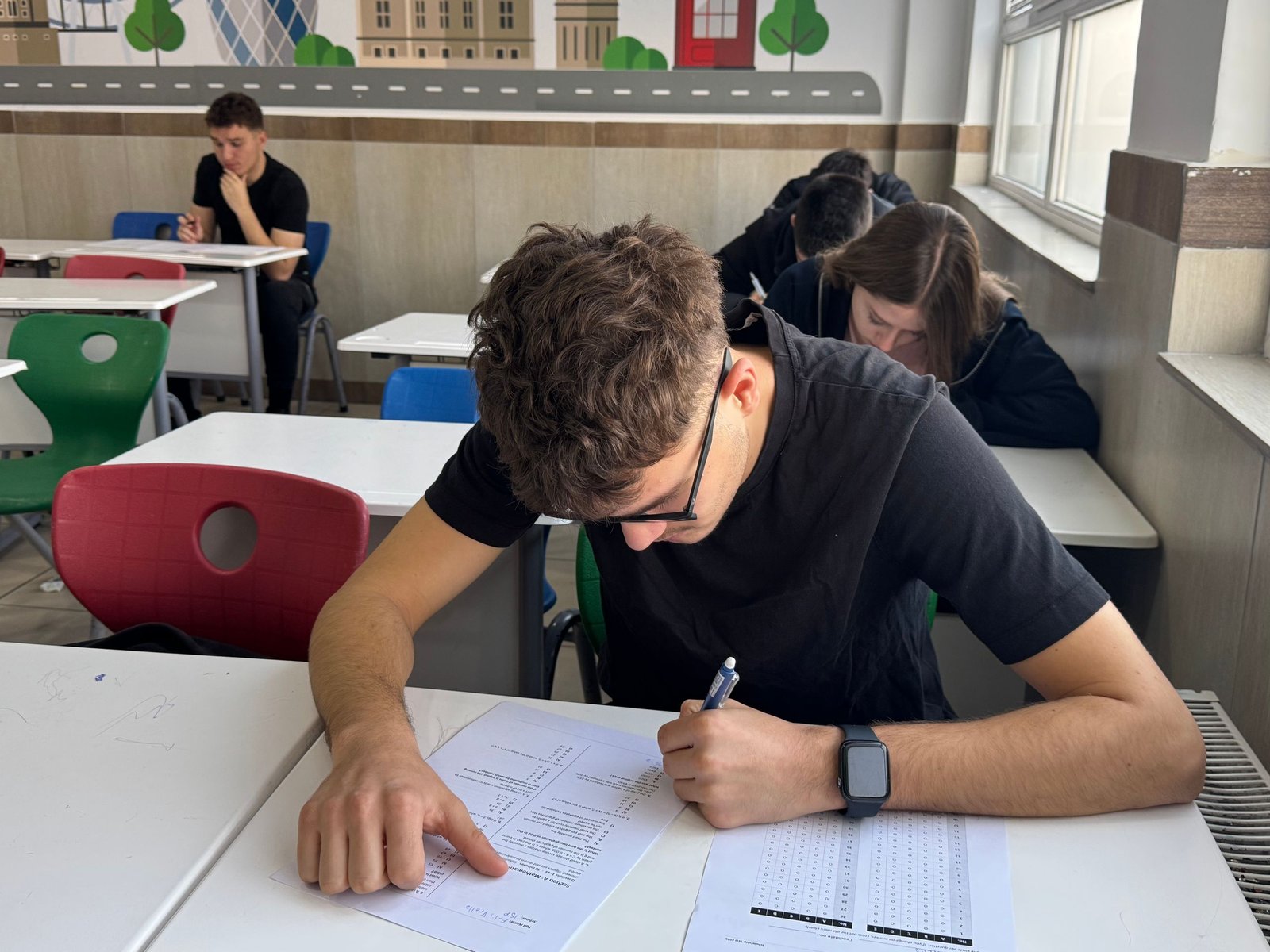
Before your first full mock, pick one complete set from your MDCAT past papers and treat it like the real test. Set a timer for the official duration, sit at a clear desk, and work through Biology, Chemistry, Physics and English in order, without a phone or a break. Mark it with the official scheme, including negative marks, and write down three numbers: attempted, correct, and marks lost to wrong answers. Those three numbers tell you more than any total score, because they show whether you are slow, careless, or guessing too much.
After every mock, keep an error log. For each wrong answer, write the topic, the reason you missed it, and the correct method in one line. After three mocks, the log shows your real weak topics, and those are the only chapters worth revising in the final weeks. Students who log errors improve faster than students who simply solve more papers, because the log turns every mistake into a lesson instead of a repeated one.
How to Use the Last Month
In the last month, use MDCAT past papers for full-length practice only, and stop starting new chapters. Solve two full papers a week and spend the days between them on your error log and on the diagrams, reactions and formulas you keep forgetting. Do not learn a new topic now; a half-learned chapter costs more marks through confusion than it gains through coverage. Biology carries the largest share, so give it the most time, but do not ignore English, where a few marks separate many candidates.
In the final week, use full papers only to check your timing and your weak spots, not to learn anything new. Solve one paper early in the week under examination conditions, then spend the remaining days on your error log and on the short facts and formulas that repeat most often. Pack your roll number slip, your CNIC, and two pens the night before, and reach the centre early. In the hall, answer everything you know cold first, then return to the harder questions with the time that remains.
Keep your papers organised by year and by subject in one file, so you can find any paper in a minute. Label each paper with its year and source when you buy or download it, and throw out any paper built on an older syllabus. A tidy file saves more time in the final month than another hour of revision, because you stop hunting for the right paper and start using it.