Study in Norway for Pakistani Students: Fees, Visa and Universities
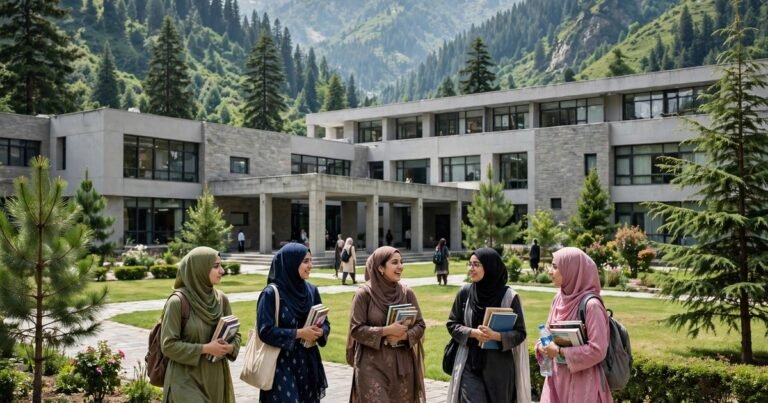
Norway is one of the most attractive study destinations in Europe for Pakistani students. It offers high quality public universities, safe and well organised cities, a strong focus on research, and a society where English is widely spoken. Norwegian universities are known for programmes in engineering, energy, marine sciences, environmental studies, business and the social sciences. Many Pakistani students are drawn to Norway because of its clean environment, its excellent public services and the chance to study in a country that takes education very seriously. This guide explains the universities, the fees, the living costs, the student visa process and how to apply, step by step. This guide explains what to expect when you study in Norway.
One point must be made clearly at the start. Tuition fees, living costs, deadlines and visa requirements change from time to time, and no date, fee or cost figure is stated in this guide. The tuition policy for students from outside the European Economic Area has changed in recent years, so the fee for your programme must be confirmed on the university’s official website before you apply. Any fee, deadline or cost figure you see on social media or a random website should be treated as a rumour until the university or the Norwegian immigration authorities confirm it in their own announcement.
Quick Facts
| Item | Detail |
|---|---|
| Country | Norway, Northern Europe |
| Main language | Norwegian; English widely spoken and many master’s programmes taught in English |
| Popular universities | University of Oslo, University of Bergen, Norwegian University of Science and Technology, UiT The Arctic University of Norway |
| Popular fields | Engineering, energy and petroleum, marine sciences, environmental studies, business, social sciences |
| Tuition fees | Fees apply for students from outside the European Economic Area; confirm the current fee for your programme on the university’s official website |
| Student visa | A residence permit for studies, applied for through the Norwegian Directorate of Immigration |
| Official sources | The university’s official website and the Norwegian Directorate of Immigration |
| Dates, fees and deadlines | Announced for each admission round; no date, fee or cost figure is stated in this guide |
Why Pakistani Students Choose to Study in Norway
Norway’s universities are public institutions with a strong international reputation. The University of Oslo and the Norwegian University of Science and Technology, NTNU, are well known for research, and Norwegian degrees are recognised around the world. Teaching in Norway is student centred, with small classes, group work and direct contact with lecturers. Students are expected to think critically, take part in discussions and work independently, which is excellent preparation for professional life. That reputation is a big reason many Pakistani students decide to study in Norway.
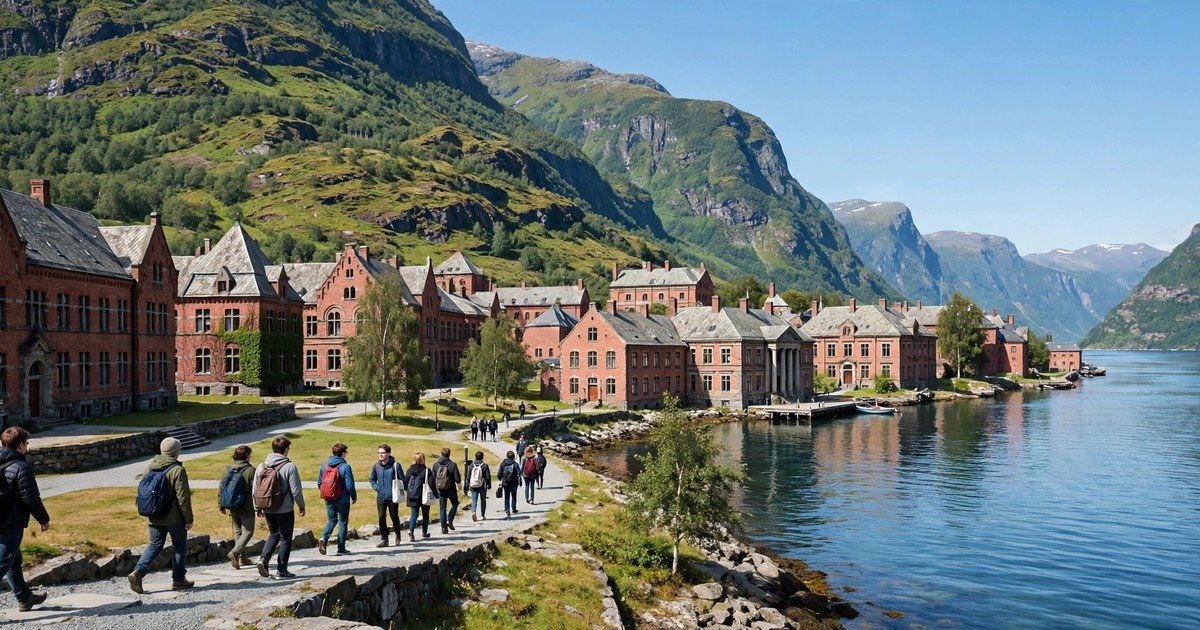
Life in Norway is safe, clean and well organised. Public transport is reliable, healthcare is of a high standard, and cities such as Oslo, Bergen and Trondheim are compact and easy to live in. English is spoken widely, so daily life is manageable even before you learn Norwegian, although learning the language will help you settle in and find part-time work. Norway’s natural beauty is another attraction: fjords, mountains and the northern lights are part of everyday life for students in the north.
Students in Norway are allowed to work part time alongside their studies, within the conditions of their residence permit, and full time during holidays. Many students use part-time work to support themselves and to gain experience. After graduation, students may be able to stay in Norway to look for work, under the rules that apply at the time. The exact work and post-study rules should be confirmed from the Norwegian Directorate of Immigration before you plan around them. If you are comparing European destinations, our study in Germany guide explains another popular option for Pakistani students.
Universities in Norway
Norway’s best-known universities include the University of Oslo, the University of Bergen, NTNU in Trondheim, UiT The Arctic University of Norway in Tromsø, and the Norwegian University of Life Sciences. Each has its own strengths. The University of Oslo is strong across the humanities, social sciences, law and natural sciences. NTNU is Norway’s leading university for engineering and technology. The University of Bergen is known for marine and climate research, while UiT is famous for Arctic studies. There are also specialised institutions and university colleges across the country. When you study in Norway, you can choose from several well-known public universities, depending on your programme.
Most bachelor’s programmes in Norway are taught in Norwegian, so undergraduate study usually requires Norwegian language skills. Master’s programmes, by contrast, are widely taught in English, and this is where most Pakistani students apply. English-taught master’s degrees are available in engineering, energy, business, economics, public health, environmental science and many other fields. Before you choose a programme, check the language of instruction and the admission requirements on the university’s official website.
Admission to a Norwegian master’s programme normally requires a completed bachelor’s degree in a relevant field, with good grades. Some programmes also require specific subjects, work experience or an English language test. Pakistani students usually need an English test such as IELTS or TOEFL, unless their previous degree was taught in English and the university accepts that as proof. Our IELTS preparation guide explains how to prepare for the test and what score to aim for.
Tuition and Living Costs
Tuition fees in Norway depend on your nationality and your programme. Students from outside the European Economic Area now pay tuition fees at Norwegian public universities, and the fee differs from one university and one programme to another. Some programmes, particularly in medicine and the arts, may carry higher fees. Because the policy has changed in recent years, you must confirm the current fee for your exact programme on the university’s official website, and never rely on a fee figure quoted on an unofficial website or in a social media post. Planning the cost is an important part of deciding to study in Norway.
Living costs in Norway are among the highest in Europe. Rent, food, transport and other daily expenses add up, and students should plan a realistic monthly budget before they apply. The Norwegian immigration authorities require proof that you can support yourself during your studies, and you will need to show funds as part of your residence permit application. The exact amount required is set by the authorities and should be confirmed from the Norwegian Directorate of Immigration. Students often reduce costs by living in student housing, cooking at home, using a student travel card and working part time.
Scholarships for students from outside Europe are limited in Norway, but some universities offer tuition waivers or scholarships for strong applicants, and there are a small number of exchange and partnership schemes. Check the scholarship page of each university you apply to, and read our scholarships for Pakistani students guide for the kinds of support that are available in general.
Student Visa to Study in Norway
Pakistani students need a residence permit for studies to live and study in Norway. The application is made to the Norwegian Directorate of Immigration, usually through the Norwegian embassy or a visa application centre in Pakistan. You should start the process as soon as you have your admission letter, because processing takes time and you should not book travel until the permit is granted.
The usual requirements for a student residence permit include an admission letter from a Norwegian university, proof that you can support yourself financially, valid health insurance or coverage, a valid passport, and accommodation arrangements. You will normally need to attend an appointment to give your biometric information and submit your documents. The embassy or the immigration authorities will tell you the exact list of documents, and you should follow their instructions exactly.
Your residence permit is normally granted for the length of your programme, and it must be renewed if your studies take longer. You must also register with the local police and obtain a residence card after you arrive in Norway. Keep copies of every document you submit, and keep your admission letter, your financial proof and your insurance safe, because you may need them again when you renew your permit. Never pay an agent who promises a guaranteed visa; the decision is made by the Norwegian immigration authorities alone.
How to Apply to Study in Norway
Applications to Norwegian universities are made through the university’s own admission portal or through the national application system, depending on the level and the programme. Follow these steps when applications are open: A careful plan makes it easier to study in Norway without missing a deadline.
- Choose your programme and your university. Check the language of instruction, the admission requirements and the tuition fee for your exact programme on the university’s official website.
- Check the application deadline for your programme. Deadlines differ between universities and between bachelor’s and master’s programmes, and late applications are normally not accepted.
- Prepare your documents. You will usually need your matric and intermediate certificates, your bachelor’s degree and transcript if you are applying for a master’s, your English language test result, your passport, and a statement of purpose or a CV if the programme asks for one.
- Get your documents attested and translated where required. Pakistani degrees often need attestation from the Higher Education Commission, and any document that is not in English or Norwegian may need a certified translation.
- Submit your application through the university’s portal or the national system. Fill in every section carefully, upload clear copies of your documents, and check that your name and date of birth match your passport exactly.
- Wait for the admission decision. Universities normally send the decision by email or through the portal. If you are admitted, you will receive an admission letter, which you need for your residence permit application.
- Apply for your residence permit as soon as you have the admission letter. Follow the instructions of the Norwegian embassy or the visa application centre, attend your appointment, and keep copies of everything you submit.
- Arrange your accommodation and your travel only after your residence permit is granted. Student housing is in high demand, so apply for it as early as the university allows.
If you face a problem with the application portal, contact the university’s admission office through the contact details on its official website. Do not pay anyone who offers to secure your admission or your visa for money; such offers are fraud.
Scholarships and Financial Support
Norway does not have a large central scholarship scheme for students from Pakistan, but there are several routes worth checking. Some Norwegian universities offer scholarships or tuition waivers to strong international applicants, and the details are published on each university’s website. There are also exchange schemes linked to partnerships between Pakistani and Norwegian institutions, and a small number of grants from Norwegian organisations for research students. Scholarships can make it more affordable to study in Norway, so check what your university offers.
Pakistani students should also look at scholarships offered by the Higher Education Commission of Pakistan and by international bodies that support study in Europe. The Erasmus Mundus joint master’s programme, for example, funds study at several European universities, and some of its programmes include a semester in Norway. Our Erasmus Mundus scholarship guide explains how that programme works. Apply for scholarships early, because their deadlines are often months before the university application deadline.
Common Mistakes to Avoid When You Study in Norway
The most common mistake is assuming that study in Norway is free. Tuition fees now apply to students from outside the European Economic Area, and students who budget on old information can face a nasty surprise. Always confirm the current fee for your programme on the university’s official website before you apply. The fee rule is the first thing to check before you decide to study in Norway.
The second mistake is applying late. Norwegian universities have firm deadlines, and a late application is normally rejected without being considered. Start preparing your documents months in advance, and submit your application well before the closing date.
The third mistake is underestimating the cost of living. Norway is expensive, and the financial proof required for the residence permit is a real requirement, not a formality. Plan a realistic budget, arrange your funds honestly, and do not rely on part-time work alone to cover your costs in your first months.
The fourth mistake is applying for a bachelor’s programme taught in Norwegian without the language skills. Most bachelor’s degrees require Norwegian, so check the language of instruction before you apply. If you want to study in English, focus on master’s programmes, or plan to learn Norwegian first.
Is study in Norway free for Pakistani students?
No. Students from outside the European Economic Area now pay tuition fees at Norwegian public universities. The fee differs by university and programme, and it must be confirmed on the university’s official website for your exact programme. Living costs are also high, and proof of funds is required for the residence permit. Even with a scholarship, you should still budget carefully when you study in Norway.
Which universities in Norway are best for Pakistani students?
The University of Oslo, the University of Bergen, NTNU, UiT The Arctic University of Norway and the Norwegian University of Life Sciences are the best known. The right choice depends on your field: NTNU for engineering and technology, Oslo for the social sciences and humanities, Bergen for marine and climate research, and UiT for Arctic studies.
Do I need IELTS to study in Norway?
Most English-taught programmes require proof of English, usually through IELTS or TOEFL. Some universities accept a previous degree taught in English as proof instead. The exact requirement is set by each university and programme, so check the admission page of the programme you are applying to.
How do I get a student visa for Norway from Pakistan?
After you receive an admission letter from a Norwegian university, apply for a residence permit for studies through the Norwegian Directorate of Immigration, via the Norwegian embassy or a visa application centre in Pakistan. You will need your admission letter, proof of funds, health insurance, a valid passport and accommodation details, and you will attend an appointment to give your biometric information.
Can I work while studying in Norway?
Yes, students are normally allowed to work part time alongside their studies, within the conditions of their residence permit, and full time during holidays. The exact conditions are set by the immigration authorities and should be confirmed from the Norwegian Directorate of Immigration before you plan around them.
Closing Note: Study in Norway for Pakistani Students
Study in Norway offers Pakistani students a high quality education, a safe and well organised society, and a degree that is respected around the world. The main challenges are the tuition fees for students from outside Europe, the high cost of living, and the need to plan well ahead. Choose your programme carefully, confirm the current fee and deadline on the university’s official website, prepare your documents early, and apply for your residence permit as soon as you have your admission letter. With honest planning and timely preparation, Norway can be an excellent choice for your studies. With good planning, the decision to study in Norway can open doors to a strong career.
Academic honesty note: apply only through the official university portal and the official immigration channels, and never pay anyone who promises admission, a scholarship or a visa for money. Sit your own English test, submit your own documents, and trust only the official announcements for fees, deadlines and visa requirements.
Study in Norway: Final Checklist for Pakistani Students
Use this checklist in the final week before you apply, because a careful last review can save you from a rejected application to study in Norway. First, check that your passport is valid for at least eighteen months and that your photographs meet the size the embassy asks for. Second, confirm that your matric and intermediate certificates are attested, and keep scanned copies ready for the online form. Third, read the university document list one more time and tick off each item as you upload it, because the admission team that handles your study in Norway application checks every document, and a missing paper can delay your offer by weeks.
Finally, note the closing date in your calendar and submit at least three days early, so a slow connection or a portal error cannot make you miss the deadline for your plan to study in Norway. In short, a calm final check is part of a strong application to study in Norway.
Money planning matters as much as admission when you study in Norway, so build a simple monthly budget for your study in Norway before you travel. Include rent, food, transport, books and health cover, and keep an emergency amount aside for the first month, because settling in always costs more than expected. Many students who study in Norway also ask about part-time work, but you should first learn the rules for student work, since working without permission can harm your visa status.
As a result, treat your scholarship or family support as your main income while you study in Norway, and treat any extra work as a bonus, not a plan. In short, a clear budget keeps your focus on your degree, and it keeps your study in Norway journey free from money worries.
After your visa is stamped, plan your arrival for your study in Norway the same way you planned your application to study in Norway. Book your flight early, confirm your university accommodation before you leave Pakistan, and carry the address and phone number of your university contact in your hand luggage. In your first week, register with the university, open a local bank account if you need one, and buy a local SIM card so your family can reach you.
Students who study in Norway often say the first month feels busy, so give yourself time to settle, join one student society, and ask senior Pakistani students for advice. Finally, keep your documents safe and keep copies online, because a calm start makes the rest of your study in Norway experience much easier.