Study in Bangladesh for Pakistani Students: Fees, Visa and Universities
Study in Bangladesh is a practical and affordable choice for Pakistani students. Bangladesh is a close neighbour of Pakistan: it is a short flight from Karachi, Lahore or Islamabad to Dhaka, the culture is familiar, with Bengali and Urdu sharing much in common, and the cost of living is low. Bangladeshi universities have strong programmes in medicine, engineering, agriculture and textiles, and their degrees are recognised in Pakistan. For a student who wants an international degree close to home, at a low cost, study in Bangladesh deserves a serious look.
One point must be made clearly at the start. Tuition fees, visa fees, deadlines and living costs change from year to year and differ between universities and programmes. No fee, date or deadline figure is stated in this guide. The exact fee for your programme, the application deadline and the current visa requirements are published by the university and by the Bangladeshi High Commission or embassy. Any fee or deadline figure you see on social media or a random website should be treated as a rumour until the official source confirms it.
Quick Facts
| Item | Detail |
|---|---|
| Country | Bangladesh, in South Asia, a member of the Commonwealth and SAARC |
| Main university cities | Dhaka, Chittagong, Rajshahi, Khulna, Sylhet and Barisal |
| Language of teaching | English at most university programmes, especially medicine and engineering; Bengali for some humanities programmes |
| Popular levels for Pakistani students | Bachelor’s degrees in medicine and engineering first, then master’s degrees |
| Student visa route | A student visa applied for at the Bangladeshi High Commission or embassy, with an admission letter from the university |
| Official sources | The university’s official website, the Bangladeshi High Commission or embassy in Pakistan, and the Bangladeshi immigration authorities |
| Fees, dates and deadlines | Announced for each intake; no fee, date or deadline figure is stated in this guide |
Why Pakistani Students Choose Bangladesh
The first reason is closeness. For study in Bangladesh, the short flight from Pakistan means a student can visit home during holidays without a long and expensive journey, and parents can visit their children easily. The time difference is small, and the culture, food and climate are familiar.
The second reason is cost. Tuition fees at Bangladeshi public universities and medical colleges are low by international standards, and the cost of living is very modest. Food, transport and rent are all cheaper than in Europe, Australia or the Gulf, so a student can live comfortably on a small budget. For families who want an international degree without a large budget, Bangladesh is one of the most affordable options.
The third reason is medicine. Bangladesh has a large number of medical colleges with a strong reputation, and many Pakistani students study MBBS in Bangladesh every year. The medical curriculum is similar to Pakistan’s, the teaching is in English, and Bangladeshi medical degrees are recognised by the Pakistan Medical and Dental Council, subject to the council’s own rules and examinations.
Top Universities in Bangladesh
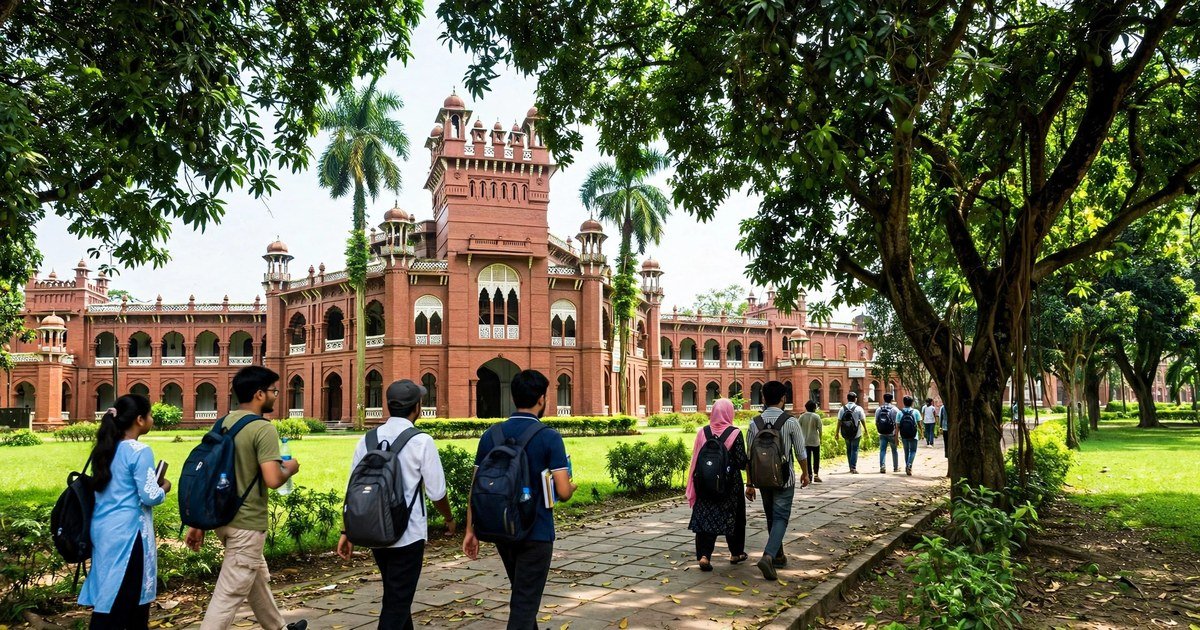
The University of Dhaka is the oldest and most prestigious university in Bangladesh. It is based in the heart of Dhaka and is strong in science, business, law, social sciences and the humanities. Its business school, the Institute of Business Administration, is one of the best in South Asia, and its science faculties have a strong research tradition that draws students who choose to study in Bangladesh.
The Bangladesh University of Engineering and Technology, known as BUET, is the leading engineering university in the country. It is based in Dhaka and is strong in civil engineering, electrical engineering, mechanical engineering, computer science and architecture. Admission to BUET is very competitive, and its graduates are highly sought after by employers across South Asia and the Gulf.
The University of Chittagong is a large public university in the port city of Chittagong, known for science, business, law, social sciences and the humanities. Chittagong is a cheaper city than Dhaka, and the university has a large green campus outside the city centre.
Popular Programmes for Pakistani Students
Medicine leads the list. MBBS is the most popular programme for study in Bangladesh, and the country’s medical colleges have a strong reputation for practical training and for a curriculum similar to Pakistan’s. Admission to MBBS is based on intermediate science marks, and foreign students apply through a separate quota managed by the Bangladeshi health authorities and the colleges themselves.
Engineering is another popular choice, especially civil engineering, electrical engineering, mechanical engineering, computer science and textile engineering. Bangladesh is one of the world’s largest garment exporters, so textile engineering is a distinctive strength, and BUET is the first choice for most engineering students.
Business and management attract many students. The Institute of Business Administration at the University of Dhaka and the business faculties of other universities offer English-taught bachelor’s and master’s degrees in management, finance, marketing and accounting. A business degree from Bangladesh is recognised across South Asia.
Admission Requirements for Study in Bangladesh
For a bachelor’s degree, you normally need an intermediate qualification, usually FA or FSc, from a recognised board in Pakistan. The university will ask for your marks sheets and certificates, and your qualification must be recognised by the Bangladeshi education authorities. The university’s international student office can explain the recognition process for your programme.
For MBBS, you need an FSc in pre-medical subjects from a recognised board, and you must meet the eligibility rules set by the Bangladeshi health authorities and by the Pakistan Medical and Dental Council for recognition back home. The rules for MBBS admission change from time to time, so check the current rules with the college and with the council before you apply.
For a master’s degree, you need a bachelor’s degree in a related field, usually a four-year BS or an equivalent qualification. The university will look at your grades, your degree transcript and, for some programmes, your statement of purpose and your curriculum vitae. Some competitive programmes also ask for an entrance test or an interview.
English language proof is usually required for English-taught programmes. Most universities accept an IELTS or TOEFL score for study in Bangladesh, and the required score is published by each programme. Our IELTS preparation guide explains how to prepare for the test and how to organise your revision. Some universities may waive the English test if your previous education was in English, but you should check the programme page to confirm.
Your Pakistani documents will need to be attested. Normally this means attestation by the Higher Education Commission for degrees and by the relevant board for intermediate certificates, followed by attestation by the Ministry of Foreign Affairs. Check with the university and the High Commission which attestations are required, because the rules can differ between institutions.
How to Apply to a Bangladeshi University for Study in Bangladesh
Applications to Bangladeshi universities are made through each university’s own admission process for international students, and for MBBS through the medical college admission process managed by the Bangladeshi health authorities. The exact process differs between institutions, so read the official website carefully. Follow these steps:
- Choose your programme and your university or medical college. Read the programme page carefully to confirm the language of teaching, the entry requirements and the documents needed.
- Check the application calendar for international students. Bangladeshi universities usually publish a separate application window for foreign students, and the dates are published on the university website.
- Prepare your documents: your passport, your academic certificates and marks sheets, your English language test result, your curriculum vitae, and a statement of purpose if the programme asks for one.
- Get your documents attested and, where needed, translated into English by a certified translator.
- Submit the application through the university’s international student office or online portal, and pay any application fee through the method the university accepts. Keep the payment receipt safe.
- Wait for the admission decision. If you are offered a place, you will receive an acceptance letter. This letter is essential for your visa application, so keep it safe and follow the university’s instructions for confirming your place.
Apply to more than one university if you can. Competition for the most popular programmes is strong, and a second or third choice protects you if your first choice does not work out. Our scholarships for Pakistani students guide explains the kinds of financial support that may be available for study abroad.
Bangladesh Student Visa for Pakistani Students
Pakistani students need a student visa to study in Bangladesh. The visa is applied for at the Bangladeshi High Commission or embassy in Pakistan after you receive your university acceptance letter, and the process takes time, so start it as soon as you have your acceptance letter. The visa application is made online through Bangladesh’s official visa portal, which publishes the current requirements for study in Bangladesh.
The usual documents for a student visa application include your passport, the university acceptance letter, proof that you have enough funds to support yourself during your studies, proof of accommodation in Bangladesh, and health insurance. The High Commission may also ask for your academic documents. The exact list is published by the High Commission, and you should follow it exactly.
The financial proof is an important part of the application. You will need to show that you can pay your tuition fee and support yourself while you study. The amount is set by the Bangladeshi authorities and is published by the High Commission, so check the current requirement before you apply. A bank statement in your name or your sponsor’s name is the usual way to show this.
Tuition Fees and Living Costs for Study in Bangladesh
Tuition fees at Bangladeshi public universities are set by each university and each programme, and they are low by international standards. Fees for international students are higher than for Bangladeshi students, but they remain modest compared with Europe, Australia or the Gulf. Private universities charge more. This guide does not state any fee amount, because fees change and differ between programmes. Always read the fee from the university’s official website.
Living costs during study in Bangladesh are very modest. The main costs are rent, food, transport and health insurance. Many students live in university halls, which are cheap, or share a flat near the campus. Food from local restaurants and markets is very affordable, and rickshaws, buses and ride-hailing apps are cheap and widely used. Cook at home when you can, and use student discounts wherever they are offered.
Scholarships for Study in Bangladesh
Several scholarships can help Pakistani students study in Bangladesh. The Bangladeshi government offers scholarships for students from SAARC countries, including Pakistan, and the details are published by the Bangladeshi authorities and by the Bangladeshi High Commission. Bangladeshi universities also offer scholarships and tuition fee reductions for international students, and the details are published by each university.
Never pay anyone who promises to arrange a scholarship or a visa for money. Genuine scholarships are announced on official websites and are free to apply for. An agent who asks for a large fee in advance for a guaranteed scholarship is almost certainly running a fraud.
Language and Daily Life in Bangladesh
English is the language of teaching at most university programmes in Bangladesh, especially medicine and engineering, so a Pakistani student can start a degree without learning a new language first. Bengali is the national language and the language of daily life, and learning some Bengali will make life easier, from shopping in a market to making local friends. Many Pakistanis find Bengali easy to pick up, because it shares words and sounds with Urdu — a small advantage that makes study in Bangladesh feel closer to home.
Daily life in Bangladesh is warm and familiar for Pakistani students. The food is rice, fish, lentils, vegetables and chicken, and halal food is the norm everywhere. Mosques are in every neighbourhood, and the call to prayer is part of daily life. The Pakistani community in Dhaka is well established, and new students can find help from senior Pakistani students and from the Pakistani High Commission.
Common Mistakes to Avoid When You Study in Bangladesh
The most common mistake is applying late. The international student application window closes earlier than many students expect, and the visa process after admission also takes time. Start your university applications as early as the window opens, and start your visa application the day you receive your acceptance letter.
The second mistake is applying for MBBS without checking the recognition rules. A Bangladeshi medical degree must be recognised by the Pakistan Medical and Dental Council for you to practise in Pakistan, and the council has its own rules and examinations. Check the current rules with the council before you apply, and keep every document safe.
Can a Pakistani student study in Bangladesh in English?
Yes, most university programmes in Bangladesh, especially medicine and engineering, are taught in English. You may still need an English language test result, usually IELTS or TOEFL, to apply, though some universities waive the test if your previous education was in English. Check the programme page to confirm.
Which are the best universities in Bangladesh for Pakistani students?
The most popular choices are the University of Dhaka, the Bangladesh University of Engineering and Technology, the University of Chittagong, the University of Rajshahi and the medical colleges in Dhaka and Chittagong. The best choice depends on your field: BUET is strongest for engineering, Dhaka Medical College and other medical colleges for MBBS, and the University of Dhaka for business and the humanities. Choose the university that is strongest in your subject.
How do I get a Bangladesh student visa from Pakistan?
Apply for a student visa at the Bangladeshi High Commission or embassy after you receive your university acceptance letter. You will need your passport, the acceptance letter, proof of funds, proof of accommodation and health insurance. After arrival in Bangladesh, the university helps you complete the residence registration.
Closing Note
Bangladesh offers Pakistani students an affordable degree close to home, with respected universities, a familiar culture and a strong tradition in medicine and engineering. Choose your programme carefully, check the recognition rules if you are applying for MBBS, apply early, prepare your visa documents properly, and learn some Bengali before you travel. If you follow the official process and plan your finances honestly, study in Bangladesh can open doors across South Asia and back home in Pakistan.
Academic honesty note: apply only through the university’s official admission process and the High Commission’s own visa process, and never pay anyone who promises admission, a scholarship or a visa for money. Sit your own language test, submit your own documents, and trust only the official announcements for fees, dates and deadlines.


Study in Bangladesh: A Final Checklist
Before you apply to study in Bangladesh, gather your documents in one folder. Most universities ask for the same set when you study in Bangladesh: your passport, your FSc result card, your English test result and your university acceptance letter. Keep attested copies ready, because a missing paper can delay your plan to study in Bangladesh by weeks, and a late file is often rejected without a second look.
Apply to more than one university if you can. The most popular programmes for study in Bangladesh are medicine and engineering, and the competition for MBBS seats is strong. A student who applies to three universities for study in Bangladesh has three chances; a student who applies to one has only one. The best way to study in Bangladesh is to start early, because the international application window closes sooner than you expect.
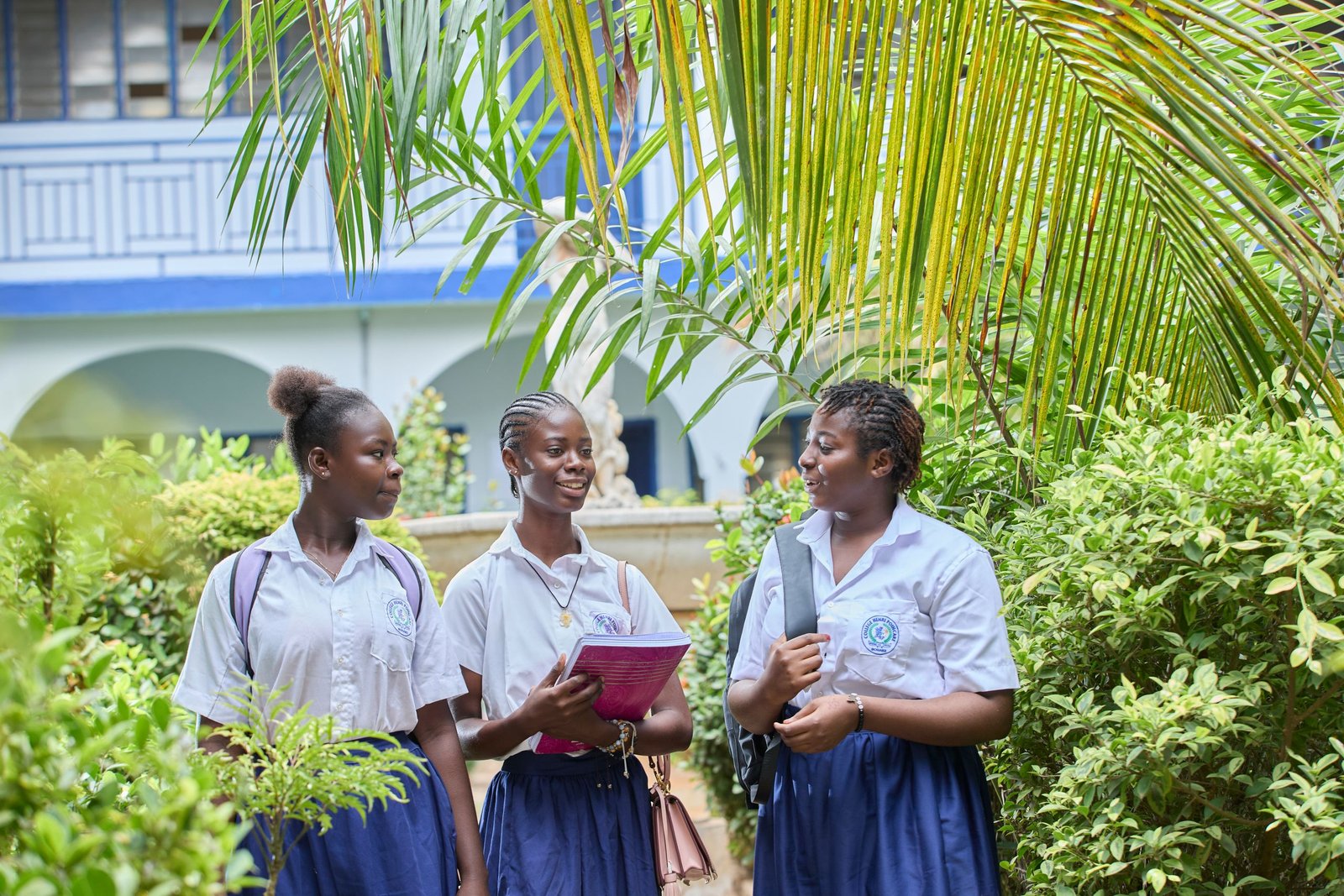
How to Prepare for Your First Semester
After you receive your acceptance letter, apply for your student visa at once. The visa process for study in Bangladesh is straightforward, but it takes time, and you will need your passport, your acceptance letter and proof that you can pay your fees. Book your flight early, because the cheapest tickets from Karachi, Lahore or Islamabad to Dhaka go first. Arrive a few days before your classes begin, so you have time to find a room and settle in before you study in Bangladesh.
If your first choice does not offer you a place, do not give up. Many students who study in Bangladesh applied to more than one university, and a second choice can be just as good as the first. Ask the international student office which programmes still have seats for study in Bangladesh, and apply again. A rejection is not a judgement on your ability; it is often a matter of seats, and the next intake may have room for you.