Study in Romania for Pakistani Students: Fees, Visa and Universities
Romania is a European Union country in Eastern Europe, known for its affordable English-taught medicine and dentistry programmes, its historic universities and its low cost of living. Its universities offer programmes in medicine, dentistry, engineering, business, information technology and the social sciences. For Pakistani students who want a European degree at a manageable cost, Romania is worth a careful look. This guide explains the universities, the admission routes, the student visa process, the costs in general terms, the scholarships, and the practical tips that Pakistani students should know before they apply. Study in Romania starts with choosing a programme and a university, and this guide walks through each step.
One point must be made clearly at the start. Admission dates, deadlines, fee amounts and visa rules are set by the universities and by the Romania authorities, and they can change. No date, fee, deadline or figure is stated in this guide. The exact schedule, the fee for each programme and the current visa requirement must be read from the official website of the university you choose and from the official website of the Romanian Embassy in Pakistan or the Romanian immigration authority. Any date or fee you see on social media or a random website should be treated as a rumour until it is confirmed by an official source. For study in Romania, always confirm dates, fees and visa rules in the official announcement.
Quick Facts
| Item | Detail |
|---|---|
| Country | Romania, capital Bucharest |
| Popular fields | Medicine, engineering, business, information technology, and the social sciences |
| Language of study | Romanian is the official language, and English is the main language of study in most programmes open to international students |
| Admission | Direct application to the university, as announced on its official website |
| Student visa | A student visa, applied for through the Romanian Embassy in Pakistan or the Romanian immigration authority |
| Official sources | The official website of the chosen university, and the official website of the Romanian Embassy in Pakistan or the Romanian immigration authority |
| Dates, fees and deadlines | Set by each university and by the authorities; no date or fee figure is stated in this guide |
Why Pakistani Students Consider Romania
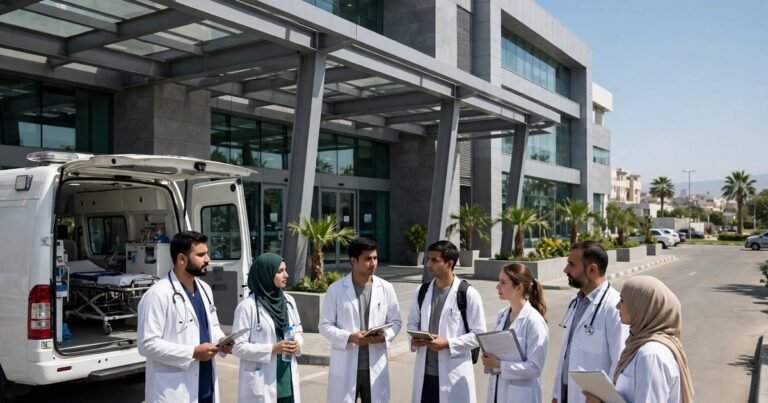
The first reason many Pakistani students consider Romania is the English-taught medicine and dentistry programmes, which are well known across Europe and attract students from many countries. The second reason is cost. Romania has one of the lowest costs of living in the European Union, and tuition fees are generally lower than in Western Europe. The third reason is the universities themselves. Romania has historic universities with long academic traditions, and its degrees are recognised across the European Union, which gives graduates the chance to work or study further in Europe. Study in Romania appeals to Pakistani students because of the affordable medicine programmes and the European Union setting.
Universities in Romania
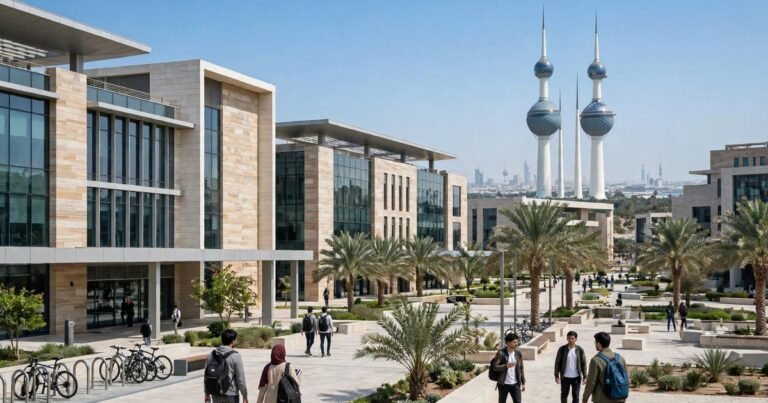
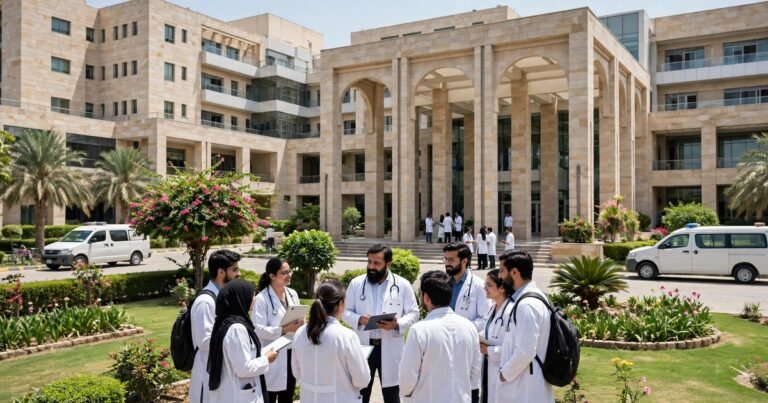
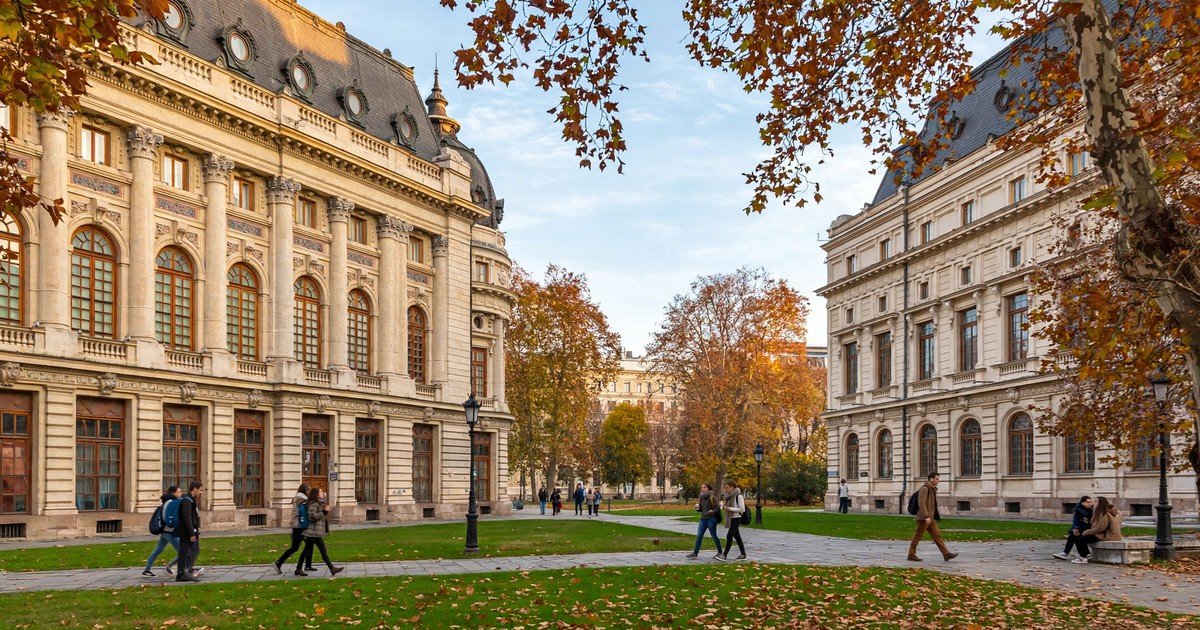
Romania has several respected public universities. The University of Bucharest is the oldest and one of the largest universities in the country, known for its academic standards in the humanities, sciences, law and social sciences. Babeș-Bolyai University in Cluj-Napoca is another large and well-regarded university with a wide range of programmes. The Politehnica University of Bucharest is well known for engineering and technology. For medicine, universities such as the Carol Davila University of Medicine and Pharmacy in Bucharest and the Iuliu Hațieganu University of Medicine and Pharmacy in Cluj-Napoca offer medicine and dentistry programmes in English that attract many international students. Admission to public universities for international students is competitive, especially for medicine, and each university sets its own entry requirement. Study in Romania offers respected universities such as the University of Bucharest, the oldest in the country.
When you choose a university, look at the programme first, not only the name of the university. Read the course outline, the duration of the programme, the language of study, the fee, and the entry requirement. Check whether the university has a hostel or help with accommodation for international students, and whether it has an office that supports foreign students. A university that supports its international students well makes the first months much easier.
If you are comparing study destinations in the region, our study in Hungary guide and our study in Poland guide explain two other nearby choices, so that you can compare costs, visas and programmes before you decide.
Admission Routes for Pakistani Students
Pakistani students normally apply directly to the university in Romania. There is no single central admission system for all universities, so each university sets its own process, its own entry requirement and its own deadline. The general steps are: For study in Romania, Pakistani students normally apply directly to the university.
- Choose the programme and the university. Read the entry requirement on the university’s official website, and check whether your intermediate qualification is accepted. Students with an equivalent foreign qualification may need an equivalence document, and the university will state what it needs.
- Prepare your documents. These normally include your matric and intermediate certificates and marks sheets, your passport, a recent photograph, and any other document the university asks for, such as a character certificate or a medical certificate. Keep clear copies of every document.
- Submit the application through the university’s official website or its admission office, as the university directs. Fill in the form carefully, and enter your name and date of birth exactly as they appear on your passport.
- Pay the application fee through the payment method accepted by the university, if a fee is charged. Keep the payment receipt safe, because you will need it later.
- Wait for the admission decision. The university will tell you whether you have been offered a place, and it will send an offer letter if you are selected. Read the offer letter carefully, and note the fee and the deadline for accepting the offer.
- Once you have the offer letter, apply for the student visa, as explained in the next section. Do not book a flight or pay the full tuition fee until your visa is approved, unless the university directs you otherwise in writing.
For medicine, the process has an extra step. A medical degree from Romania must be recognised by the Pakistan Medical and Dental Council for the graduate to practise medicine in Pakistan, and the council’s rules for foreign medical graduates should be read before you apply. The same care applies to engineering and other regulated professions: check with the relevant Pakistani body whether the degree is recognised before you pay any fee. Our MBBS admission in Pakistan guide explains the general rules for medical study, which are useful even when the degree is taken abroad.
Student Visa for Romania
In general terms, a student visa application normally needs the offer letter from the university, a valid passport, a completed visa application form, photographs, and proof that you can pay the tuition fee and support yourself during your stay. Some applications also need a medical certificate or a police clearance certificate, as the authority directs. The university may also need to support the application with a letter or a confirmation of your admission, so keep in touch with its international students office.
Apply for the visa in good time, and do not leave it to the last few weeks before your course starts. Visa processing takes time, and a delay can mean missing the start of the term. Keep a copy of every document you submit, and keep the receipt for the visa fee. Once the visa is granted, read its conditions carefully, including how long it is valid for, whether you need to extend it after arrival, and whether you are allowed to work part time. Student visas normally do not allow full-time work, and the rules should be followed exactly.
Living and Study Costs in General Terms
The cost of studying in Romania has two parts: the tuition fee and the cost of living. The tuition fee is set by each university and by each programme, and it is published by the university. Medicine is normally the most costly programme, while business, information technology and the social sciences are normally less costly. This guide does not state any fee amount, because fees change and differ between universities and programmes. Always read the fee from the official website of the university you choose.
The cost of living includes accommodation, food, transport, books and personal expenses. The cost differs between Bucharest, the capital and largest city, and smaller towns. Accommodation in a university hostel is normally cheaper than a private room, and cooking your own food is normally cheaper than eating out. Students should budget carefully, and families should plan for the full course, not only for the first year.
Scholarships for Pakistani Students
Some scholarships are available for Pakistani students who wish to study in Romania, although the number is limited. The government of Romania has offered scholarships to international students in some years, and Pakistani students should check the current offers from the Romania authorities and from the Higher Education Commission of Pakistan. The exact scholarships, their value and their deadlines change from year to year, and they are announced on the official websites of the bodies that offer them.
Universities in Romania may also offer merit scholarships or fee concessions to strong international students. These are normally based on academic performance, and the details are given on the university’s official website. A guide to scholarships for Pakistani students on this site explains the kinds of support that are available and how to apply. Do not pay anyone who promises to arrange a scholarship for money, and trust only the official announcement for any scholarship.
Practical Tips for Pakistani Students
The first tip is to start early. Choosing a university, preparing documents, applying, waiting for an offer, and then applying for a visa takes months. Start at least several months before the course begins, and keep a file with every letter, receipt and document, in both paper and digital form.
The second tip is to check recognition before you pay any fee. If you plan to return to Pakistan to work, confirm with the Pakistan Medical and Dental Council, the Pakistan Engineering Council or the relevant body that your chosen degree is recognised. A degree that is not recognised can waste years of study and a large amount of money.
The third tip is to learn about daily life in Romania before you go. Read about the climate, the food, the local language and the culture, and learn a few everyday words if the local language is not English. Respect local customs, and be open to making friends from Romania and from other countries. Students who arrive prepared settle in much faster than those who arrive without knowing what to expect.
Do Pakistani students need a visa to study in Romania?
Yes. Pakistani students need a student visa to study in Romania. Apply through the Romanian Embassy in Pakistan or the Romanian immigration authority, as the official guidance states. The exact process and documents are set by the authorities, and they can change, so read the current official guidance before you apply.
What is the language of study in Romania?
Romanian is the official language, and English is the main language of study in most programmes open to international students. Learning a few everyday words in the local language helps with daily life, but it is not normally a requirement for study.
How much does it cost to study in Romania?
The cost differs between universities and programmes, and between cities. Tuition fees are set by each university, and living costs depend on accommodation, food and transport. This guide does not state any fee amount. Read the fee from the official website of the university you choose, and plan for the full course.
Are scholarships available for Pakistani students in Romania?
Some scholarships have been offered to international students, and some universities offer merit scholarships to strong international students. The exact offers change from year to year. Check the official websites of the Romania authorities, the Higher Education Commission of Pakistan, and the university you choose.
Is a degree from Romania recognised in Pakistan?
Recognition depends on the programme and on the rules of the relevant Pakistani body. A medical degree must be recognised by the Pakistan Medical and Dental Council, and an engineering degree should be checked with the Pakistan Engineering Council. Check recognition with the relevant body before you apply, and do not assume that a degree is recognised.
Closing Note
Study in Romania can be a good choice for Pakistani students who want an international degree, in a country with respected universities and a welcoming environment, at a cost that is generally lower than in many Western countries. Choose your university and programme carefully, check that the degree is recognised in Pakistan, apply directly through the university, and apply for your student visa in good time. Plan your finances for the full course, keep every document and receipt safe, and use only official sources for dates, fees and visa rules. With careful planning, a degree from Romania can be a strong step towards a good career, in Pakistan or abroad.
Academic honesty note: apply only through the official university and visa routes, sit your own tests, and submit your own documents. Never pay anyone who promises admission, a visa, or a scholarship for money, and trust only the official announcements for dates, fees and visa rules.
Study in Romania: Choosing Your University and City
Choose your programme first when you plan to study in Romania. The programme matters more than the city, because the syllabus, the language and the recognition depend on it. Study in Romania offers medicine, dentistry, engineering, business and IT, and each programme has its own entry rule. Read the programme page on the university website before you look at the city.
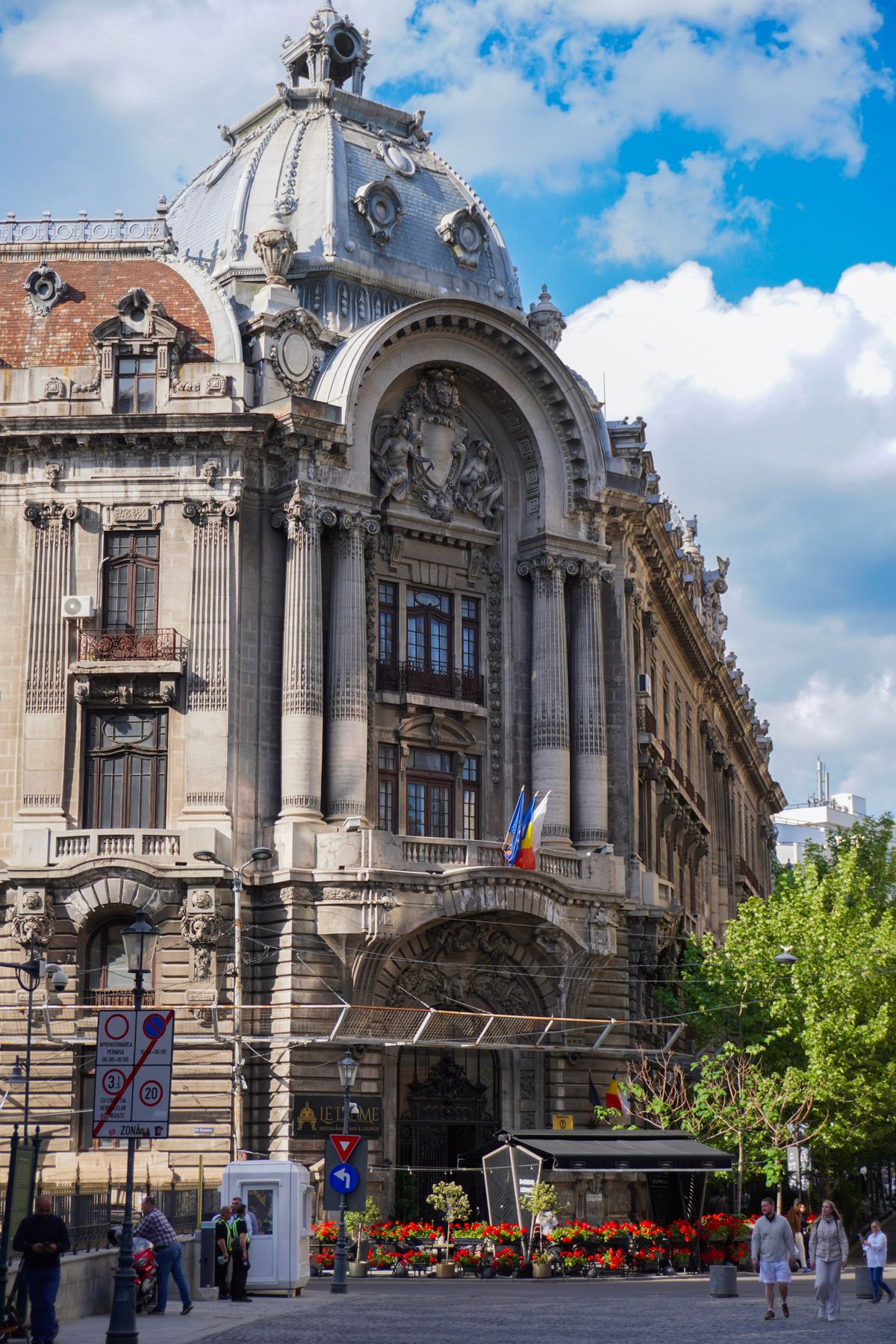
Compare cities after you choose a programme for study in Romania. Bucharest is the largest city, with the most universities and the most jobs, but it is also the most expensive. Study in Romania in Cluj, Iasi or Timisoara can be cheaper, with a strong student life. Check the rent, the transport and the climate in each city before you choose.
Check the language of study before you study in Romania. Most programmes for Pakistani students are taught in English, but some are in Romanian or French. Study in Romania in English is the usual choice, and it is the one this guide covers. If a programme is in Romanian, you will need a language year first, so check that in the offer letter.
Visit the university website before you study in Romania. The official website lists the programme, the fee, the deadline and the documents. Study in Romania is planned best from official sources, not from agents or social media. Save the programme page, and check it again before you submit your application.
Study in Romania: Documents and Visa Preparation
Prepare your documents early for study in Romania. You need matric and intermediate certificates and marks sheets, your passport, your offer letter and proof of funds. Study in Romania applications are delayed most often by a missing document, so check the list on the university website and tick each item off as you gather it.
Translate and attest your documents for study in Romania. Certificates are usually attested by your board, IBCC and the Foreign Office, and translated where the university asks for it. Study in Romania is easier when the documents are ready before the application opens, so start attestation in good time.

Apply for the visa after you have the offer letter for study in Romania. The student visa is applied for through the Romanian Embassy, and it needs the offer letter, proof of funds, health insurance and a clean record. Study in Romania visa processing takes time, so apply as soon as the offer letter arrives, and do not book a flight until the visa is issued.
Keep proof of everything for study in Romania. Save your application form, your fee receipt, your offer letter and your visa application. Study in Romania is easier to fix when you can show the date, the amount and the reference number you paid, and a clear folder saves a long search later.
Study in Romania: Living, Working and Staying Safe
Plan your living costs before you study in Romania. Rent, food, transport and books add up, and a monthly budget helps. Study in Romania is affordable, but a budget stops a surprise. Share a flat with other students if you can, cook at home, and use a student transport card where it is offered.
Learn the local rules for study in Romania. You can work part-time in Romania as a student, but check the hours and the permit rules first. Study in Romania students should not work so much that their studies suffer. Ask the university international office about part-time work, and keep your residence permit valid at all times.
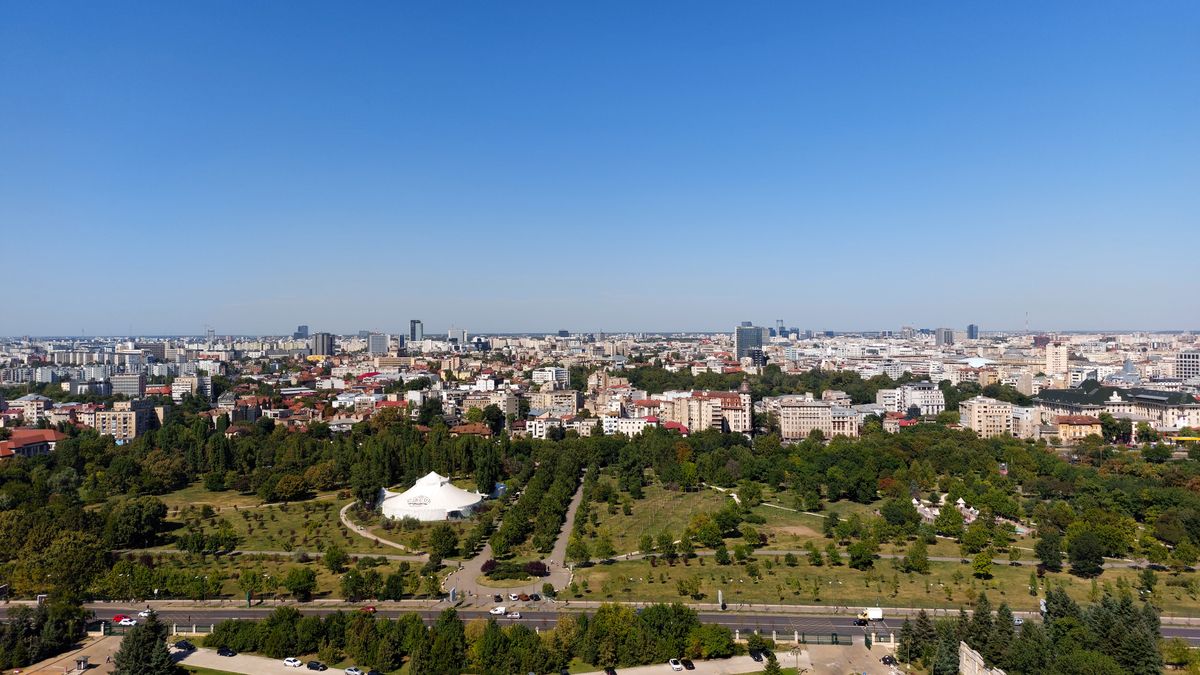
Stay safe while you study in Romania. Keep your passport and residence permit in a safe place, and carry a copy. Study in Romania is safe in most cities, but take the usual care at night and with your belongings. Register with the Pakistani Embassy if it is advised, and keep its contact number in your phone.
Study in Romania: Final Checklist
Use this short checklist for study in Romania. First, choose a programme and a university from official sources. Second, prepare and attest your documents. Third, apply, wait for the offer letter, and apply for the visa. Study in Romania is a long process, so start early and keep a copy of everything.
Fourth, plan your budget and your housing for study in Romania. Fifth, check recognition in Pakistan if you plan to return, especially for medicine. Sixth, learn about the climate, the food and daily life before you go. Study in Romania done this way takes a little care, but it gives you a strong international degree. For comparison, see the study in Kazakhstan for Pakistani students guide on this site, and check official news on the Romanian Ministry of Foreign Affairs official website.
Start today. Pick a programme, read its official page, and put its deadline in your calendar. Study in Romania can be a good choice for Pakistani students who want an international degree, and with a steady plan you will be ready when applications open.